Intake, quotes and support as a run you can trust.
Your team runs the same chain by hand every week. Mail in. A quote out, a ticket sitting in the shared inbox. We turn that into a TypeScript run, against an API when one exists, with a log line when a step fails. The six names below are studio patterns, and where a pattern already looks like our own work, Weekboodschappen and StepQuests sit next to it.

Studio still, generated.
RPA or a job against an API for click-work that has rules. AI where text needs reading or a draft needs writing: a first reply, a tag, a summary. Often both in one chain. A class name on a site with no contract stays a risk, and that risk goes in the quote before we build. The run stays something you can explain to a colleague.
The steps you run by hand, how often the run must succeed, and whether the other side has an API or only a screen.
Six studio patterns
Each name is a chain with a start, an end, and a log. Studio examples of chains we build that way. Where it resembles our own products, the product name sits next to it.
Intake desk
A form, a forward, a mail in the pile. The run pulls out what is already there, lists the missing pieces, and drafts a first reply. You read it and send. Fits requests that land on the quote form, and any company whose contact form currently sits in a shared inbox.
Studio pattern. On yonts.nl a request lands on /quote.
Quote line
From a messy request to a price estimate and a proposal for sprint one. The same questions as the quote form: what should exist, when, which systems. A draft a person still signs before it leaves. AI writes the first version. You keep the signature.
Studio pattern, the same questions as the form on /quote.
Support desk
Tag tickets, stage the standard reply, leave the exception with a person. StepQuests gets tour questions. Weekboodschappen gets account mail. That kind of inbox, with a log line when the run is unsure. You hit send.
Close to the inbox around StepQuests tours and Weekboodschappen accounts.
Lead checks
What yonts.nl already does: a teaser on the page, then email for the report. Website check, software-fit quiz, listing check. We can put that same gate in your product, on your domain. The score stays on screen. The write-up follows after the address.
Live on this site: /checks, /checks/website, /checks/software-fit.
Listing scan
App Store and Play copy against the same bar as the listing check on this site. Title, description, screenshots. Red Flags and Dirty Seconds are in the store, StepQuests too. Ranking stays outside the job. You get a run that points at gaps in the listing so you can close them.
Same bar as /checks/app-store. Live listings: Red Flags, Dirty Seconds, StepQuests.
Week run
The round that comes back every week: list, status, order. Weekboodschappen can turn a shopping list into a Picnic cart, through their API. Internal ops on your side follows the same pattern when a contract exists. Scraping a screen with no API lands as risk in the quote.
Live: Weekboodschappen into a Picnic cart.
One chain first, then the next
We start with the round you miss on Monday if it sits still. Trust in the log comes before the second chain.
One chain first
Point at the round that hurts now. That is the first run, in weeks, with a log you can read. Something small that already fails where it should fail.
The next one when the log holds
Intake desk first, then Quote line. Or Week run if ops hurts more. Order follows your week.
You hit send
A Support desk draft only leaves once someone on your side hits send. Exceptions the run does not know stay with a person. That goes in the job.
Work that is live
Weekboodschappen can turn a shopping list into a Picnic cart. That is a coupling with rules, through their API. StepQuests runs booking and admin for walking tours, plus tour questions in the inbox. Two products we operate. The six patterns above are examples of chains we would build that way, including when your request is a different inbox.
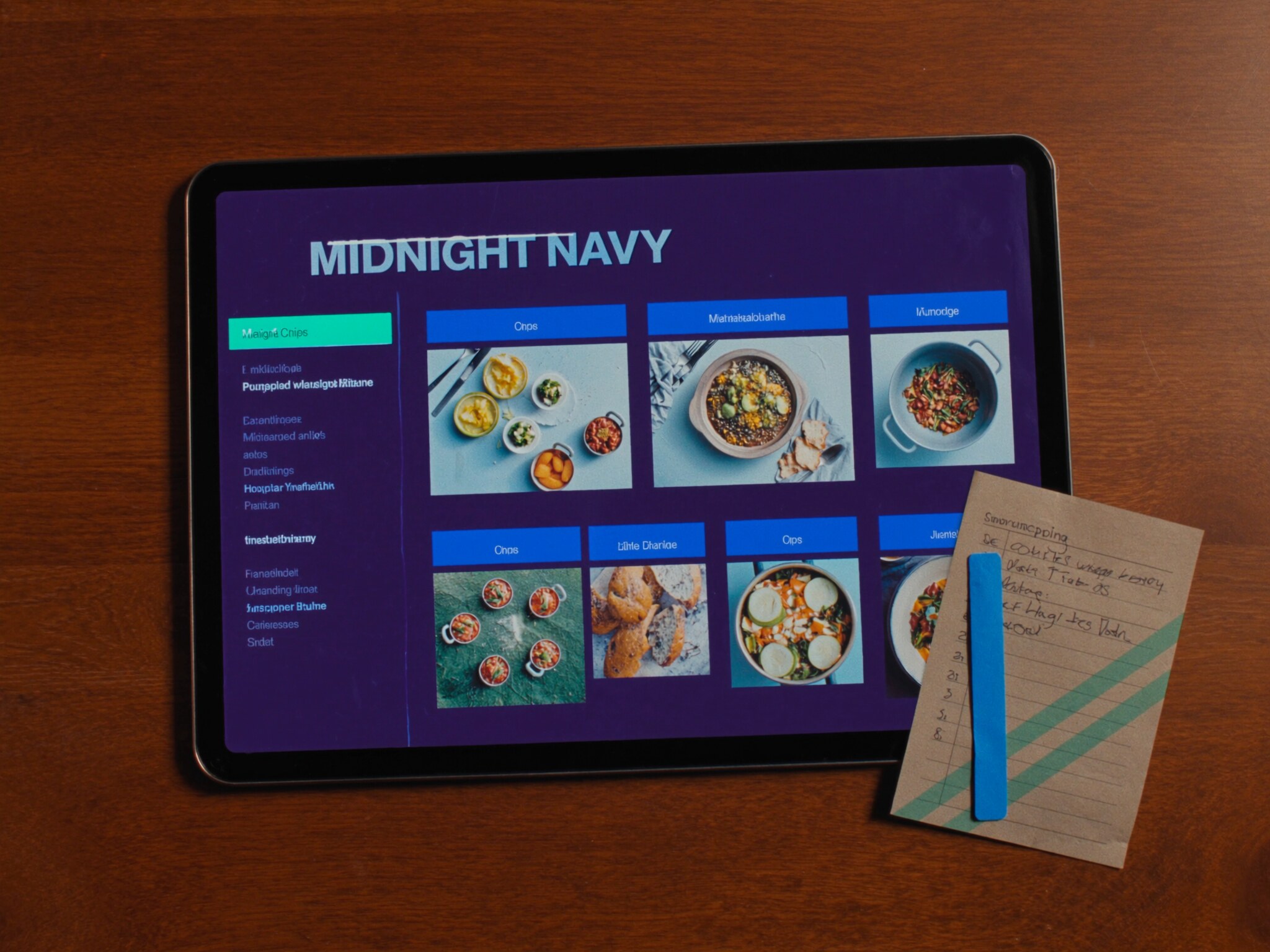
Weekboodschappen
Weekly menus and shopping lists for busy households across the Netherlands. The product promise: a first plan in about 3 minutes.
Studio still, generated. This is not a screenshot of the live site.
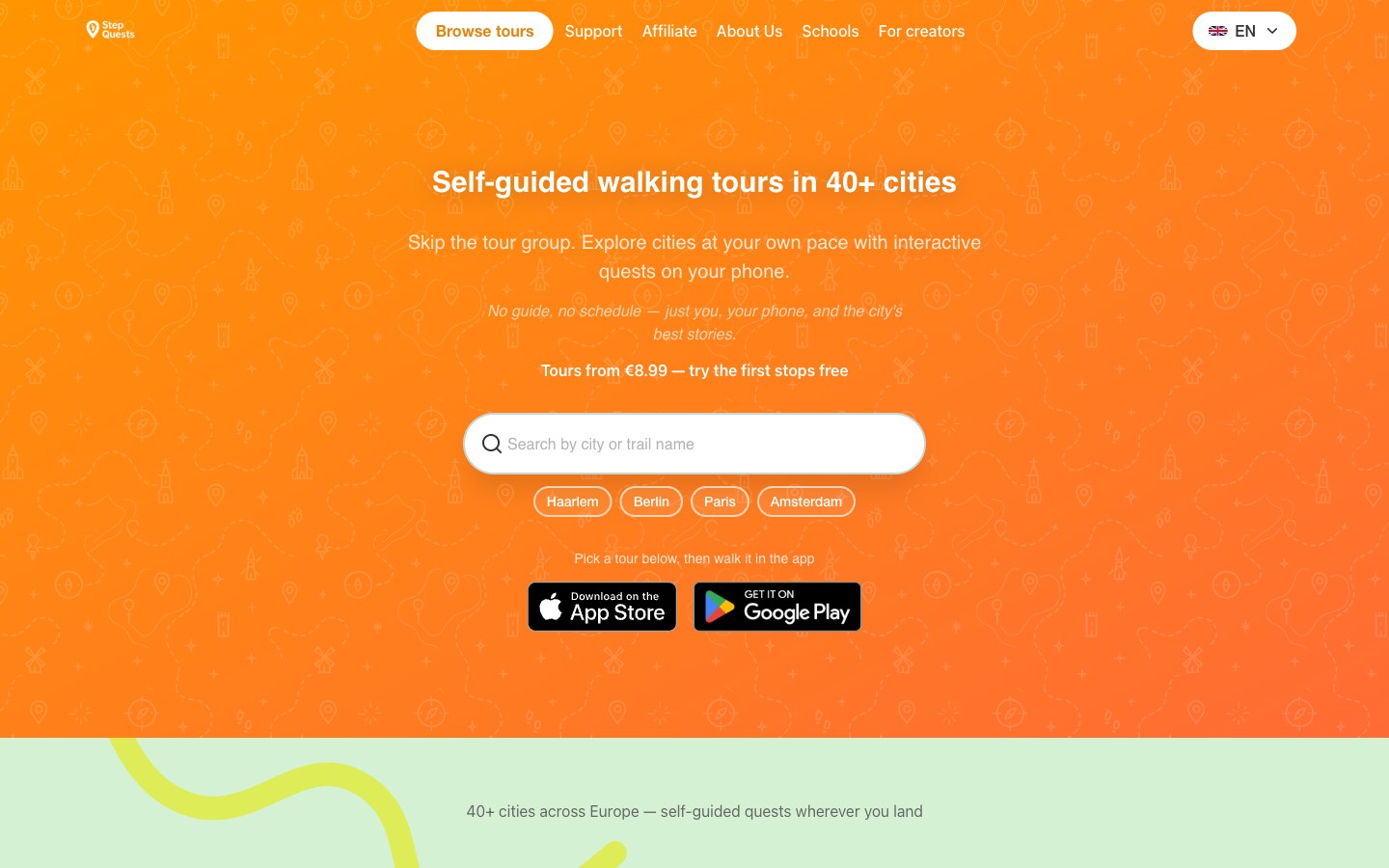
StepQuests
Self-guided city walks with stories, quizzes and checkpoints. Web for discovery and booking. The app is the route on the street.
Screenshot of the live site, 25 August 2026.
What you get
A run you can start or schedule, logging of what happened, and a path when a step fails. Against an API where one exists. Against HTML only after a risk written in the quote. AI drafts that you still send. A write-up of the steps, including the exceptions a person keeps.
How we start
Write the steps you run by hand, how often the run must succeed, and what breaks on a bad Tuesday. We mark which pattern sits closest, Intake desk or Week run or something in between. A price estimate for the first run. HTML without an API lands as risk in that price estimate.
When this fits
This fits when the same chain comes back every week and someone is clicking it now. An internal app where people do the work belongs with custom software. A public API for other systems belongs with API development. The software-fit quiz suggests a shape in five questions.
Ready to tell us what you need?
Describe the chain you currently do by hand. We say which pattern it is, what stays with a person, and what the first run costs. The quiz helps if you are still choosing between a run, an API or an app.
Questions about this work
- Can you scrape a site that has no API?
- Sometimes, with a risk we write down first. If the HTML changes, the run falls over. An API or an export is more stable. We scrape only if you accept that risk.
- What if a run fails halfway?
- You should see it in the log, and we agree whether we retry or stop. A silent failure is useless. That goes in the job.
- Is this UiPath, a Python script, or an AI agent?
- We build in the studio stack, usually TypeScript on Netlify, against an API. AI comes in for drafts and tags. A separate RPA package only if that is a hard requirement and it fits. You should be able to explain the run.
- Which live work looks like this?
- Weekboodschappen is the closest coupling: a list that can become a cart via Picnic. StepQuests has booking, admin and tour questions. The six names are studio patterns next to those products.
- Are Intake desk and Quote line client case studies?
- They are studio patterns, examples of chains we build that way. Where it resembles our own products, we name Weekboodschappen or StepQuests.
- Where is AI, and where is RPA?
- RPA or a job against an API for click-work with rules. AI for text: drafts, tags, summaries. Intake desk is the example: rules for the fields, a model for the draft. You send the reply.
- How long is the first run?
- Count on weeks for one chain you can already point at, if the other side has an API. HTML without a contract takes longer and sits as risk in the price estimate. You get that price estimate before we build.
- Do customer mails go into a model?
- We agree that in the job. Secrets and personal data stay in your systems or in the run we host under your name. A model used for drafts only gets what the job allows. Processing is in the privacy page.